
Breathing New Life into Heritage: What to Expect When Restoring a Listed Country House
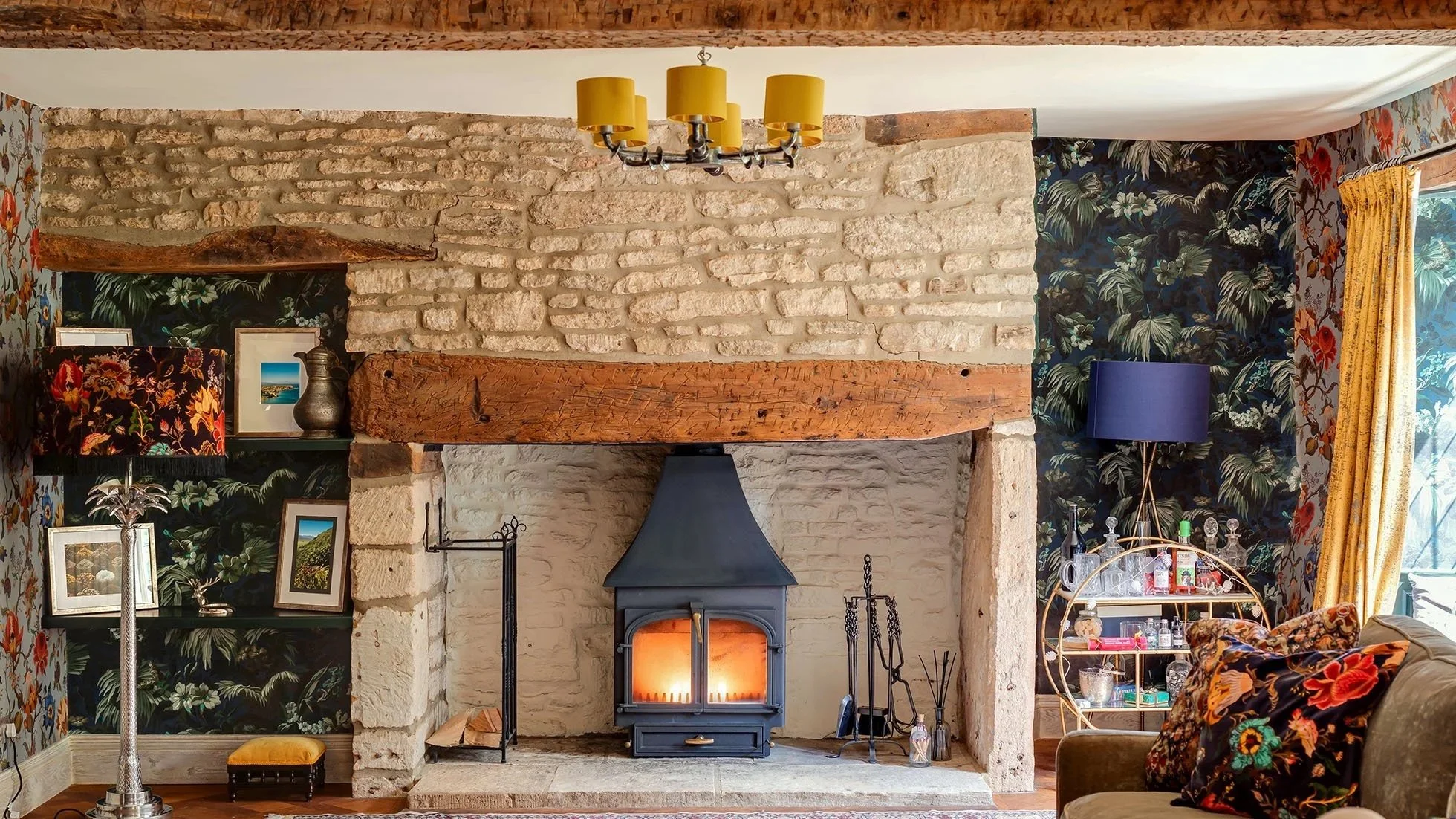
There is a unique and undeniable romance to acquiring a historic country estate or period property. Walking through centuries-old halls, tracing the worn stone of a sweeping staircase, or looking out over grounds that have matured across generations, it is easy to fall in love.
However, purchasing a listed country house or period property is not just a financial transaction; it is a profound commitment to stewardship and only the start of the journey. In many cases, our clients require a property that meets the highest expectations of modern living standards. We have spent years specialising in the delicate art of restoring, refurbishing, adapting, and breathing new life into historic properties. We know firsthand that the journey from the initial purchase to the final, beautifully restored home is complex, challenging, yet deeply rewarding.
If you are about to embark on the restoration of a listed country house or period property, here is a guide to what you can expect from the journey ahead.
1. Uncovering the Narrative: Surveys and Discovery
Before any design work begins, we must listen to the building. Historic houses can be layered with the architectural styles, tastes, additions, and alterations of previous generations.
The first step is a journey of discovery. This involves comprehensive building and historic surveys to meticulously document the building’s evolution and identify original features of high significance, such as Jacobean panelling, Georgian plasterwork, or Victorian plumbing anomalies. Understanding the building's fabric dictates what may or may not be possible and where the true value of the heritage lies within the building/s.
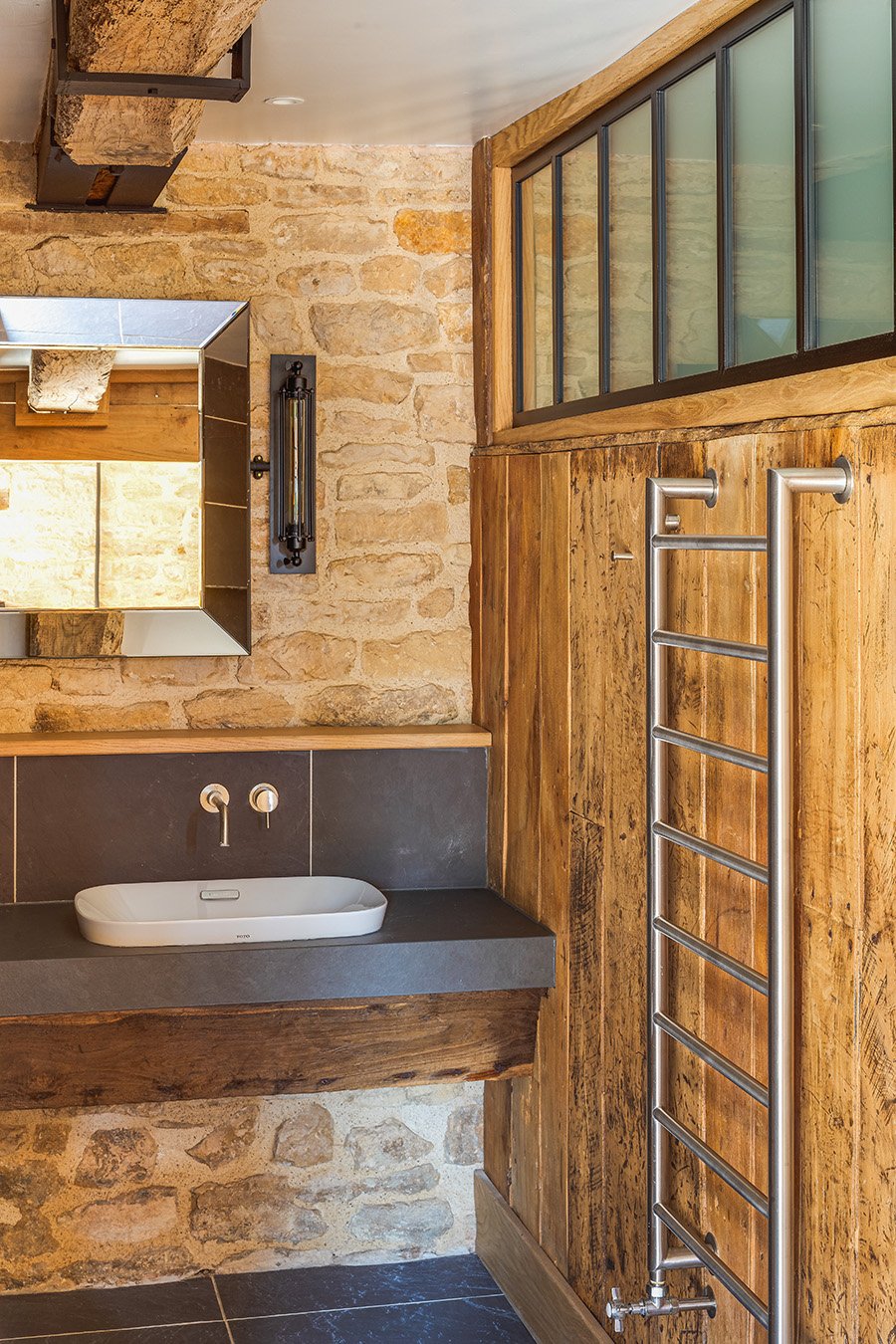
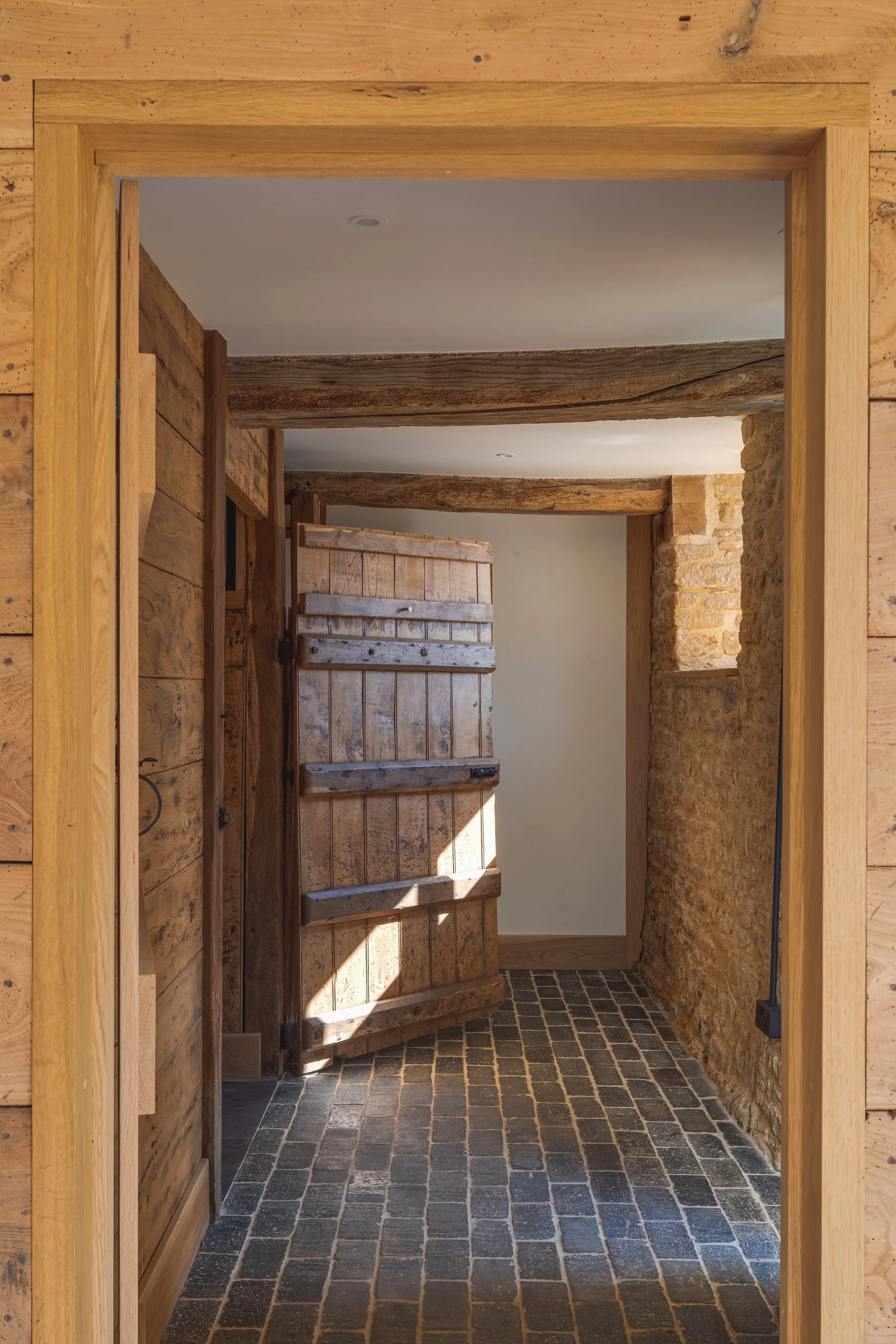
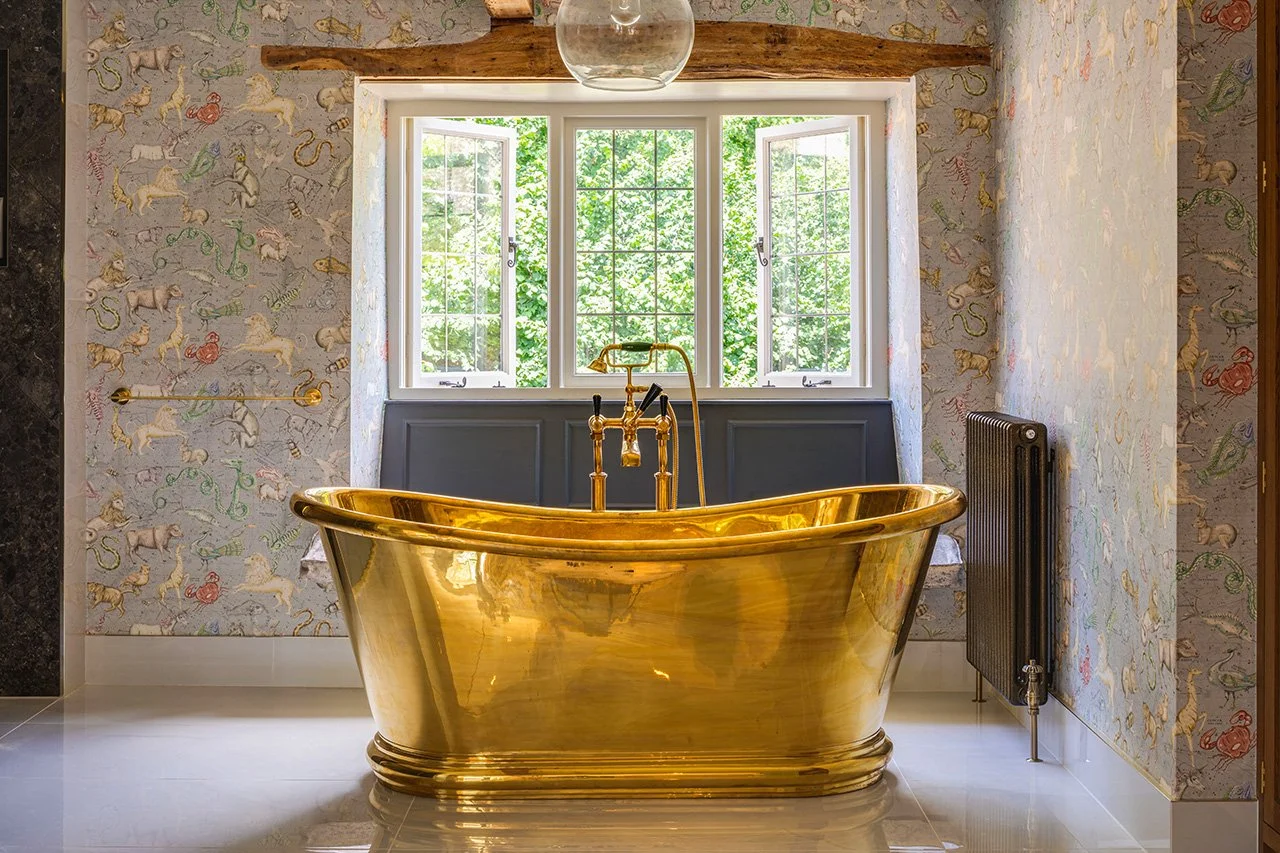
2. The Art of Patience: Design Development and Navigating Listed Building Consent
In the UK, historic buildings are protected by their listing (Grade I, Grade II, or Grade II*). This means that any alterations, internal or external, that affect the character of the building require Listed Building Consent.
The most successful historic refurbishments do not attempt to freeze a building in time; instead, they adapt the home for modern life while celebrating its past.
During the design phase, expect to have conversations about the intersection of eras. How do we introduce a modern, open-plan kitchen into a layout originally designed for a strict separation of family and staff? How do we integrate state-of-the-art technology, underfloor heating, or renewable energy sources (like heat pumps) without sacrificing historic fabric? Where new additions are proposed, how can these be designed to be clearly legible as modern? Can we incorporate high-quality modern materials?
Whilst creative and fun, this is often the phase that also tests an owner’s patience, but it is where the true value of appointing an architectural practice like ours is recognised and appreciated.
Expect the planning phase to be a dialogue, not just a simple application process. We work closely with our clients, alongside heritage and other specialist consultants, to ensure our submissions are well researched and that there is a clear rationale for the proposed alterations. Our goal is always to demonstrate that our proposals respect the building’s history while justifying and securing its viable future.
3. The Build: Working with Master Craftspeople
When the project commences and the scaffolding goes up, the reality of the restoration truly sets in. Refurbishing a historic or period property is not a standard construction project. It requires a measured, considered approach and the hands of specialist craftspeople, along with consistent architectural oversight, to ensure the project's success.
Expect the site to be populated by artisans practising centuries-old trades: stonemasons repairing ashlar walls, plasterers mixing breathable lime render, and joiners meticulously restoring sash windows. The process will invariably be slower than a new build project, as modern conveniences like cement and quick-drying modern paints are often eschewed in favour of traditional, breathable materials that ensure the long-term health of the building.
Flexibility is key during this phase. As layers are peeled back, it may be necessary to pivot the approach to accommodate the organic nature of the historic building, and further applications may need to be submitted even after the works commence on site.
4. Creating a Legacy
Restoring a listed property is a journey. It demands vision, patience, and a deep respect for the past. But the culmination of this process can be truly extraordinary.
When the dust settles, and you walk into your finished home, you will not just have created a beautiful, bespoke environment tailored perfectly to your family’s lifestyle. You will have secured the future of a piece of history. By thoughtfully upgrading its services, repairing its historic fabric, and making it relevant for today, you ensure that the property will stand strong for many years to come.
When you buy a historic house, you are its custodian for a short period of its long life. A sympathetic, expertly guided refurbishment allows you to leave an indelible, positive mark on its history, creating a legacy cherished for generations to come. We’d be pleased to assist you and guide you on this journey. Visit our contact page to get in touch.