
From Barn to Bespoke: Revitalising Disused Agricultural Buildings in the Cotswolds
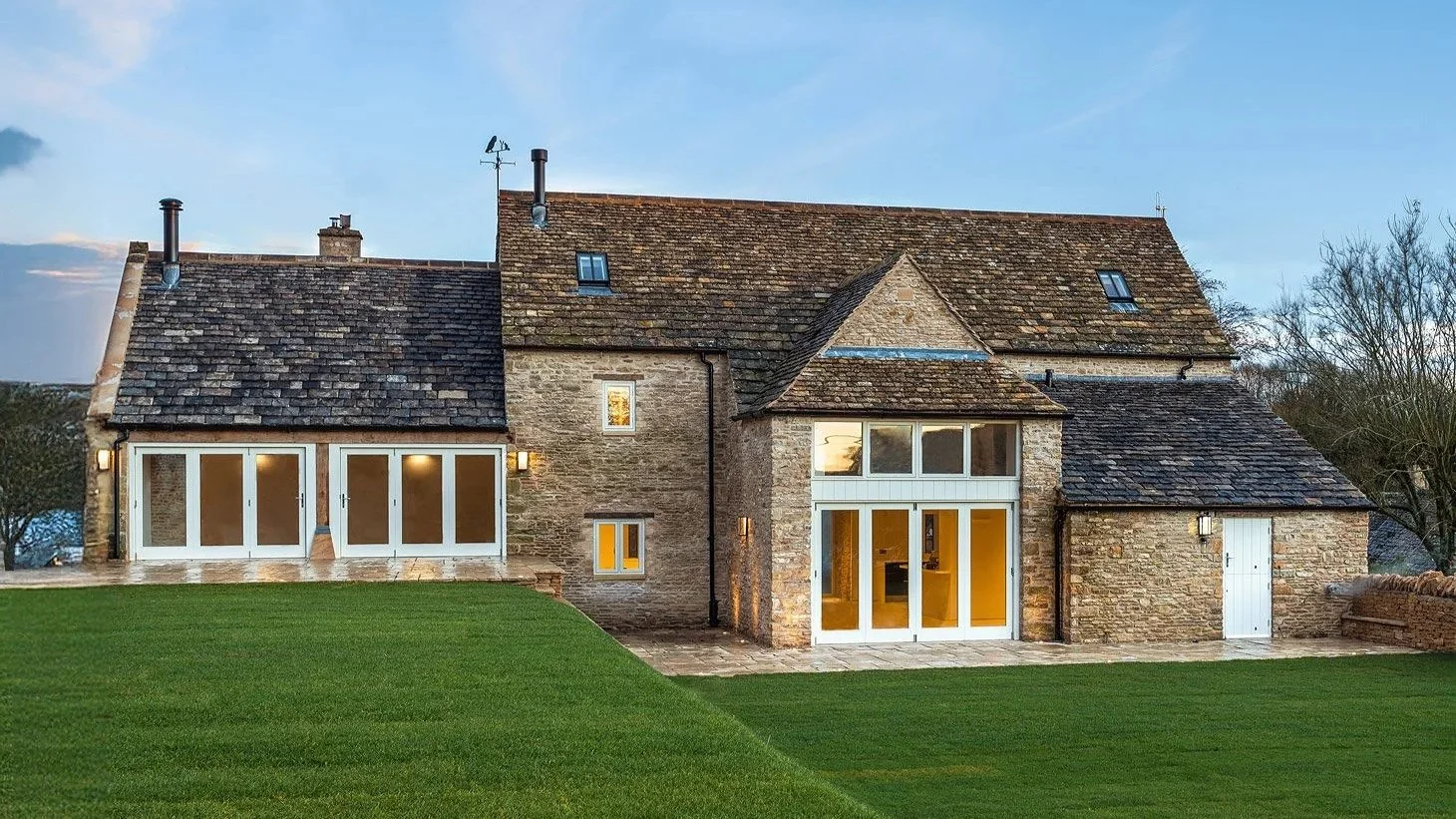
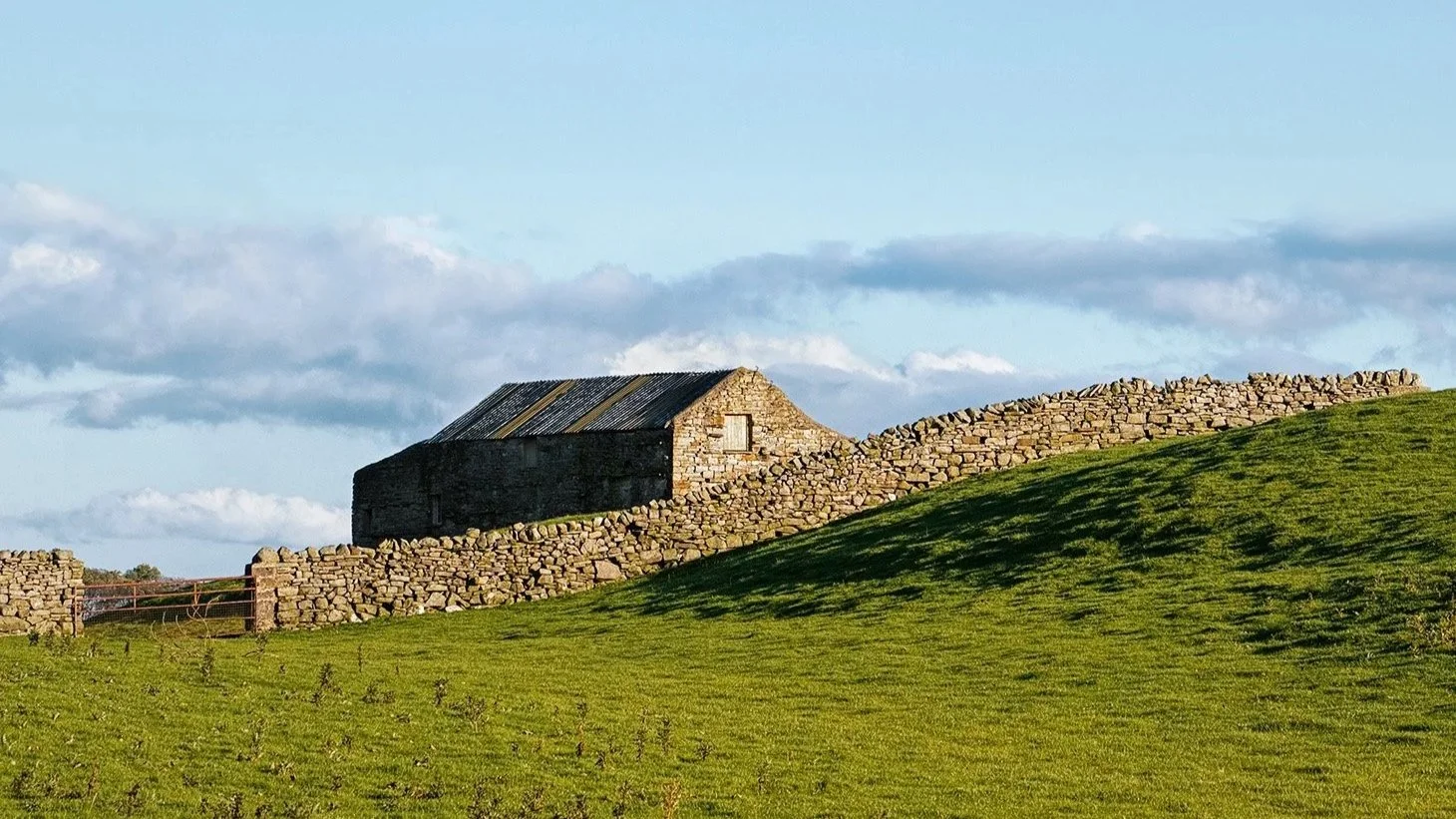
The Cotswolds are renowned for their picturesque landscapes and timeless charm. Tucked away amidst these rolling hills often lie forgotten relics of a bygone era: disused barns, stables, and other agricultural buildings. For many, these structures are simply part of the scenery, but for a discerning few, they represent an extraordinary opportunity to create truly unique, character-filled family homes.
The Appeal of the Agricultural Conversion
Why are these conversions so sought after? It’s a compelling blend of factors:
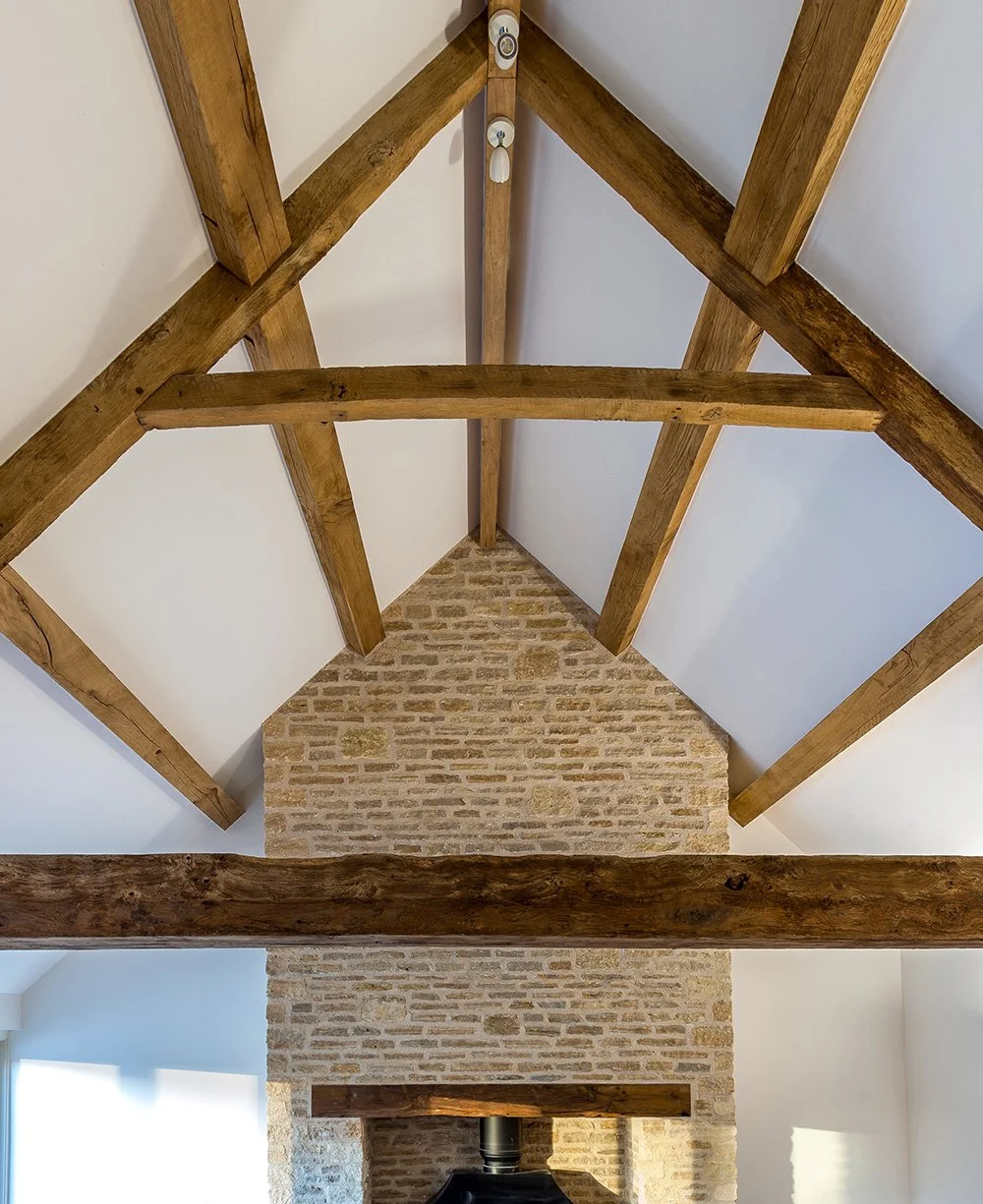
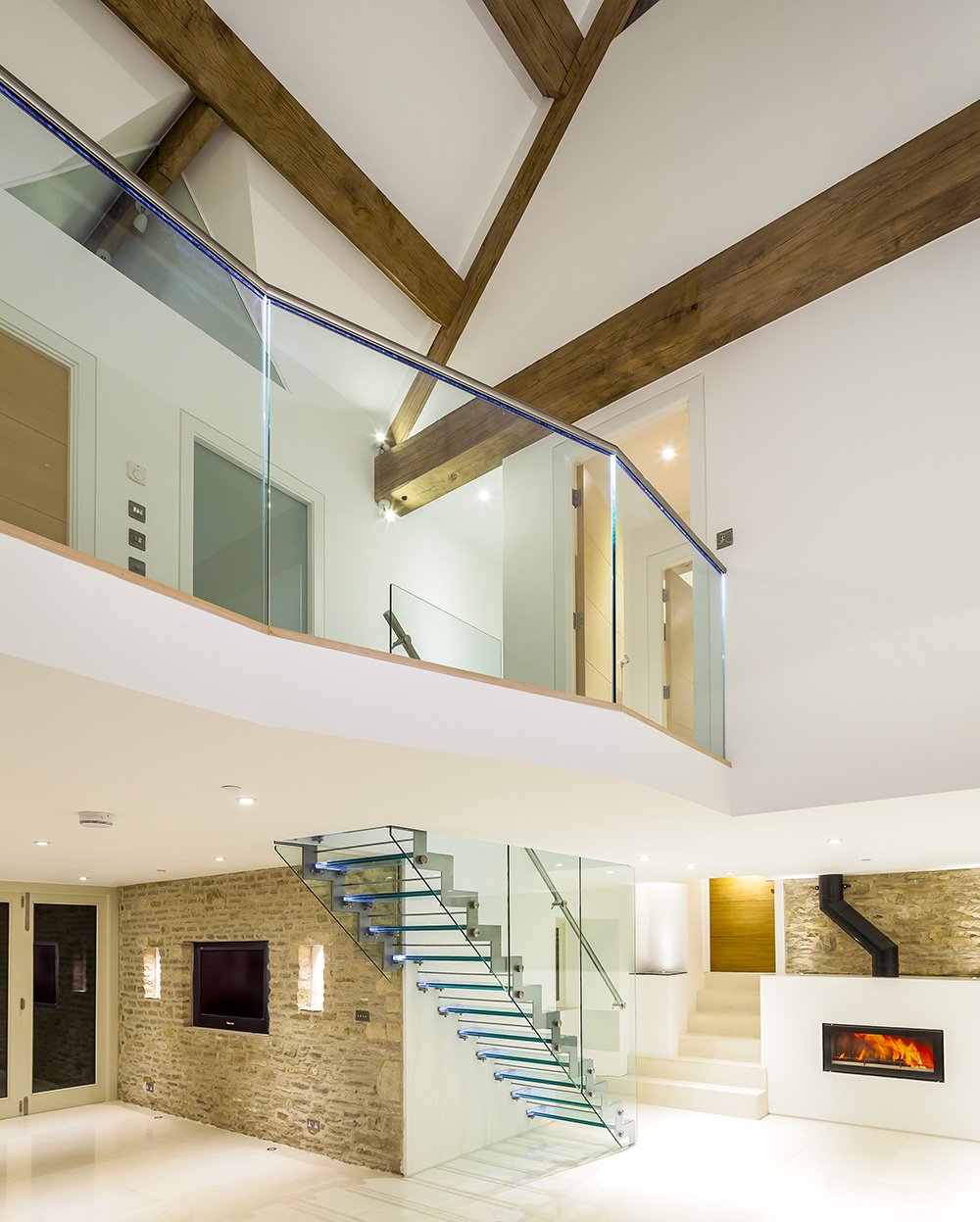
Unique Character: Unlike new builds, agricultural buildings come with an inherent history and a distinct personality. Exposed beams, original stonework, and impressive volumes offer a depth of character that simply cannot be replicated.
Generous Space: Often built for practical agricultural purposes, these structures typically boast impressive footprints and soaring ceiling heights. This provides a fantastic foundation for spacious, open-plan living and dramatic architectural features.
Idyllic Settings: They are almost always situated in stunning rural locations, offering unparalleled peace, privacy, and views of the glorious Cotswold countryside.
Sustainability: By repurposing existing structures, you're embracing a highly sustainable approach to building, reducing waste and the need for new materials.
What's Involved? The Journey from Barn to Home
Converting an agricultural building is a specialist undertaking, demanding a keen eye for design, a deep understanding of structural integrity, and expert navigation of planning regulations. Here’s a brief overview of the process:
Feasibility & Vision: The first step is to assess the building's potential. Examining its structural condition, its orientation, and crucially, its suitability for conversion under permitted development rights or full planning permission.
Planning & Permissions: This is often the most complex stage, especially within the Cotswolds AONB, due to the specific rules surrounding agricultural conversions (often via Class Q permitted development or a full planning application). Our expertise lies in crafting designs that respect the local vernacular, meet conservation requirements, and align with your aspirations, ensuring a smoother journey through the planning process.
Listed Building Consent: It is important to note that some conversions involving Listed Buildings or curtilage listed structures require Listed Building Consent. This process involves a thorough assessment of the building's heritage significance, ensuring that any alterations are sympathetic to its historical character and fabric. We guide our clients through these requirements, striking a balance between creative vision and the utmost respect for heritage considerations.
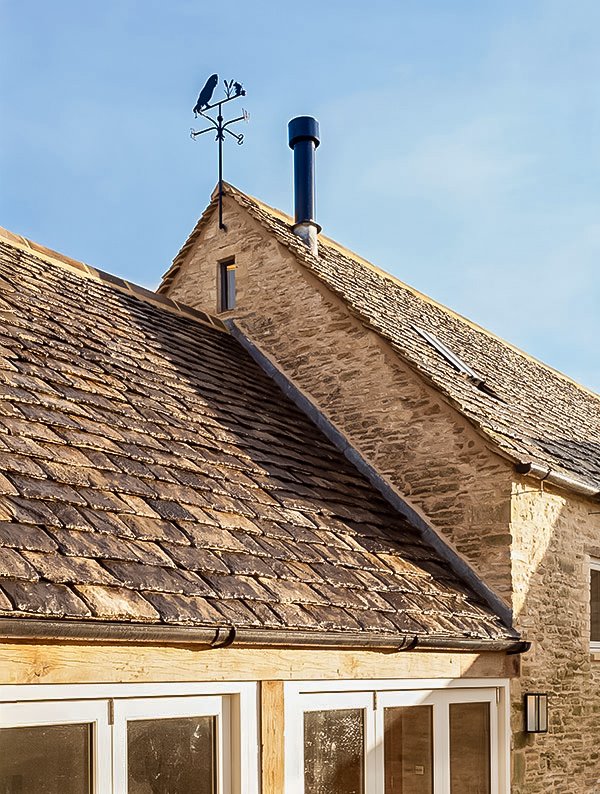
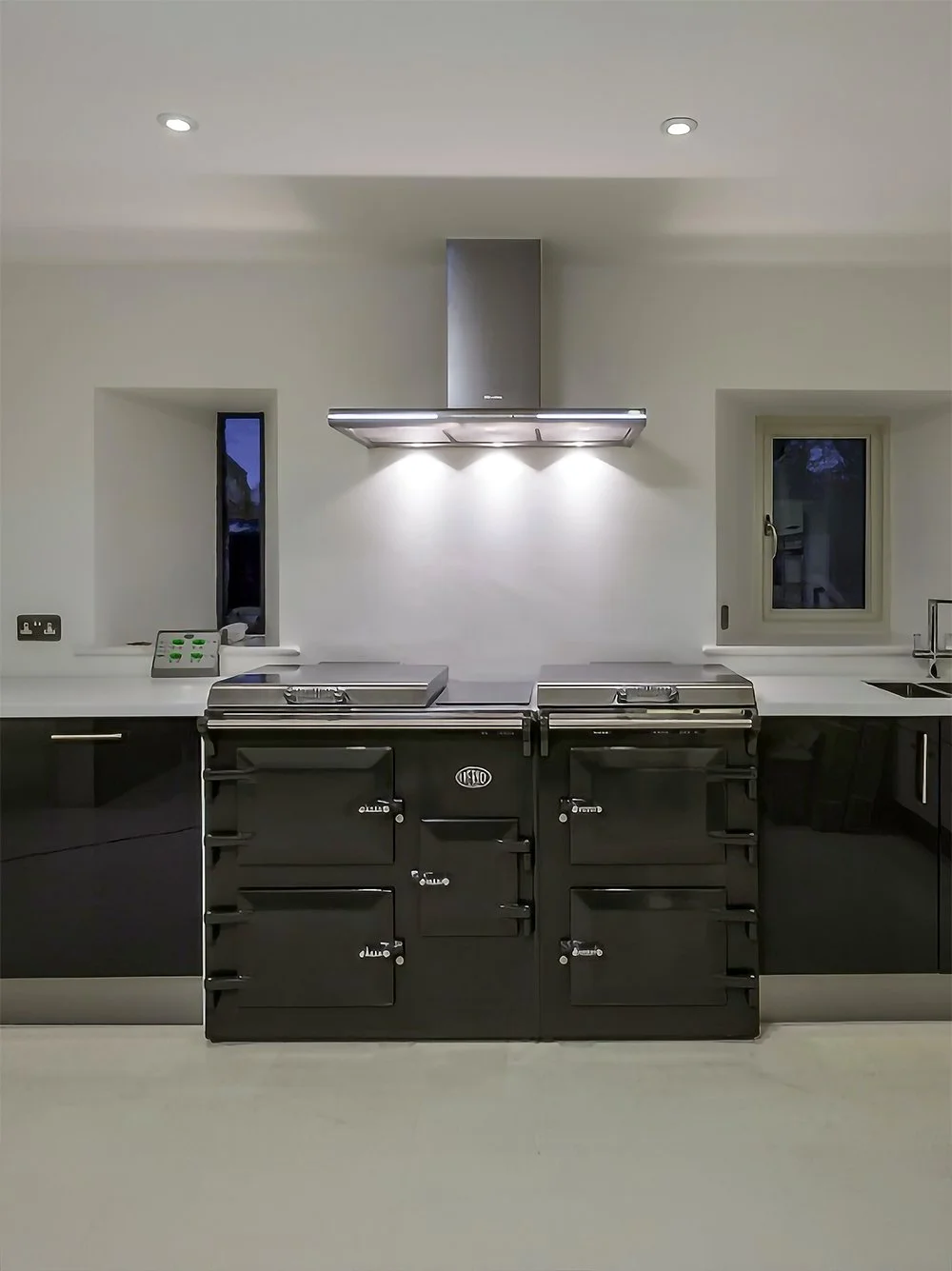
Sensitive Design & Structural Ingenuity: Our approach focuses on enhancing the building’s original features. This means careful consideration of exposed timbers, stone walls, and existing openings. We then integrate modern elements, while maintaining the integrity and story of the original structure.
Landscape: Additionally, there is an increasing emphasis on ecology and biodiversity in the conversion of agricultural buildings. We are committed to integrating ecological enhancements and thoughtful landscaping into the overall scheme, ensuring that wildlife habitats are preserved and enhanced, and that the development sits harmoniously within its rural setting.
Bringing in the Light: Often, the biggest challenge and greatest opportunity in barn conversions is light. Agricultural buildings traditionally have limited openings. We design sympathetic solutions that introduce ample natural light without compromising the building’s external appearance, often utilising internal courtyards, large glazed panels in existing openings, or subtle rooflights.
Creating Unique Family Homes
These spacious buildings offer incredible flexibility for creating homes that truly cater to family life:
Open-Plan Living with Zones: The vast internal volumes lend themselves beautifully to open-plan kitchens, dining areas, and living spaces. However, clever architectural design can create distinct zones and intimate pockets within these larger spaces, ensuring comfort and functionality for different family activities.
Dramatic Spaces: Imagine a soaring double-height living room, a galleried landing overlooking your main entertaining space, or a master bedroom suite nestled within the roof trusses. Agricultural conversions enable architectural drama that is difficult to achieve elsewhere.
Seamless Indoor-Outdoor Flow: With their rural settings, these conversions are perfectly placed to blur the lines between inside and out. Large sliding doors leading to patios, integrated landscaping, and kitchen gardens become natural extensions of the living space.
Sustainability: Many clients choose to incorporate sustainable technologies, such as ground or air-source heat pumps and solar panels, making these character-rich homes not only character-rich but also incredibly efficient and future-proof.
We are passionate about breathing new life into these wonderful Cotswold buildings. We work closely with our clients to unlock the full potential of their projects, transforming disused structures into beautiful, functional, and deeply personal homes that stand as a testament to both history and forward-thinking design.
Ready to explore the possibilities for your own Cotswold conversion? Contact us today for a consultation.